

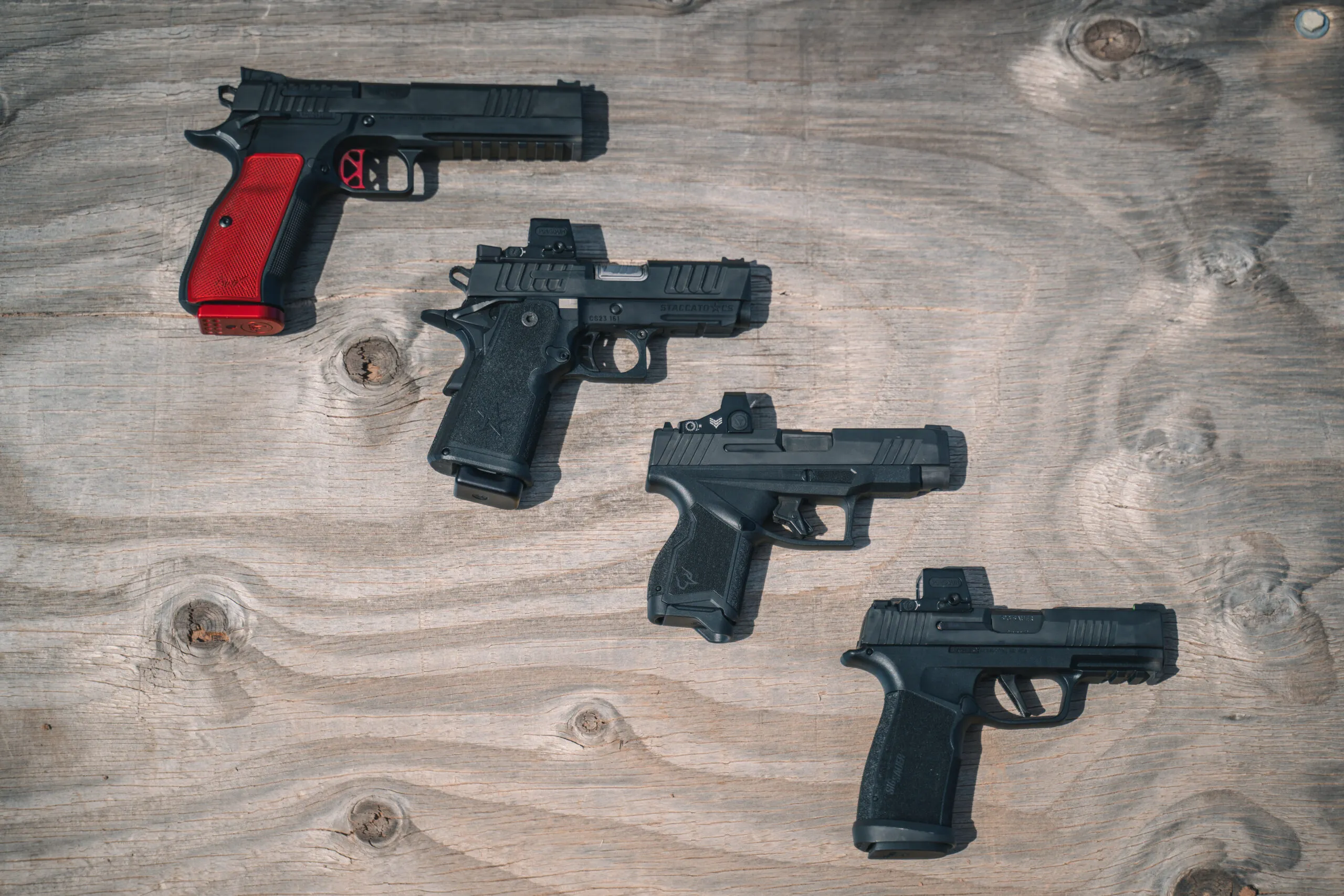
Choosing the right handgun as a beginner in Germany requires more than simply selecting a popular model. German firearm laws are among the strictest in Europe, and ownership is only permitted under specific legal conditions such as hunting, sport shooting, or collecting. Understanding the best types of handguns for beginners in Germany involves considering safety, reliability, legal compliance, and training requirements.
This guide explains beginner-friendly handgun types, their typical uses, and what new shooters in Germany should know before making a decision.
Understanding Gun Ownership Laws in Germany
Before selecting a handgun, beginners must understand Germany’s legal framework.
Firearms ownership in Germany is regulated by the German Weapons Act (Waffengesetz), which requires strict approval before a person can legally own a handgun.
Key Legal Requirements
To legally own a handgun in Germany, individuals typically must:
- Be at least 18 years old
- Pass background and reliability checks
- Demonstrate mental and physical suitability
- Provide a legitimate reason (such as sport shooting or hunting)
- Complete firearm safety training
- Obtain a Waffenbesitzkarte (Firearms Ownership Card)
Carrying firearms in public is rarely permitted and requires a separate license called a Waffenschein, which is issued only in exceptional cases.
What Makes a Handgun Suitable for Beginners?
Beginner-friendly handguns share certain characteristics that make them easier and safer to use.
Important Beginner Features
The most recommended beginner handgun types usually offer:
- Moderate recoil
- Comfortable grip
- Simple operation
- High reliability
- Clear sight alignment
- Easy maintenance
These features help new shooters develop proper handling skills and confidence over time.
Most Popular Types of Handguns for Beginners
Instead of focusing only on specific models, beginners in Germany should understand handgun types, since legal approval depends on intended use.
1. Semi-Automatic Pistols
Semi-automatic pistols are among the most commonly used handgun types in sport shooting.
Why Semi-Automatic Pistols Are Popular
These pistols are often recommended because they:
- Have moderate recoil levels
- Offer higher ammunition capacity
- Are widely used in sport shooting competitions
- Provide consistent performance
Typical Beginner Uses
Semi-automatic pistols are commonly used for:
- Target shooting
- Shooting club training
- Competitive sport shooting
For many sport shooters in Germany, joining a shooting club is one of the main legal pathways to owning a handgun.
2. Revolvers
Revolvers are often recommended for beginners due to their mechanical simplicity.
Advantages of Revolvers
Revolvers typically offer:
- Simple design
- Fewer moving parts
- Easy maintenance
- Reliable function
Because of their straightforward operation, revolvers are commonly used as introductory firearms for new shooters.
Typical Beginner Uses
Revolvers may be used for:
- Basic shooting practice
- Training exercises
- Certain hunting activities
German hunting regulations allow limited handgun ownership, often for specialized purposes such as follow-up shots.
3. Compact Handguns
Compact handguns are smaller than full-size models but still manageable for beginner training.
Benefits of Compact Handguns
These handguns provide:
- Better handling control
- Balanced weight
- Improved comfort for smaller hands
Compact handguns are commonly used in sport shooting and training environments.
4. Full-Size Handguns
Full-size handguns are typically easier to control due to their size and weight.
Why Full-Size Handguns Are Beginner-Friendly
Full-size pistols usually:
- Reduce felt recoil
- Improve shooting stability
- Provide better sight radius
- Offer enhanced accuracy potential
These features make them ideal for range training and skill development.
Choosing the Right Caliber for Beginners
Caliber selection plays an important role in beginner comfort and performance.
Common Beginner-Friendly Calibers
Typical beginner-friendly handgun calibers include:
- 9mm
- .22 LR
- .38 Special
These calibers are commonly recommended because they provide manageable recoil and allow consistent practice.
Beginners often start with smaller calibers before progressing to larger ones as skills improve.
Handgun Use Cases for Beginners in Germany
The intended purpose of the firearm determines the legal pathway and type selection.
Sport Shooting
Sport shooting is one of the most common legal reasons to own a handgun in Germany.
Typical requirements include:
- Membership in a shooting club
- Regular training participation
- Certification of firearm knowledge
Sport shooters must demonstrate ongoing activity to maintain their license eligibility.
Hunting
Hunters may own handguns under certain conditions.
Typical uses include:
- Follow-up shots
- Specialized hunting scenarios
Hunting licenses provide legal justification for firearm ownership.
Firearm Collecting
Collectors may own handguns for historical or technical interest.
However, this requires:
- Detailed documentation
- Special authorization
- Secure storage compliance
Collectors must follow strict regulations.
Safety Considerations for Beginner Handgun Owners
Safety is the most critical aspect of firearm ownership.
German law requires firearms to be stored securely in approved safes when not in use.
Essential Safety Practices
Every beginner should:
- Store firearms unloaded
- Use certified storage equipment
- Keep ammunition secured
- Follow transport regulations
- Attend professional training
Failure to follow storage laws can result in serious legal consequences.
Training Recommendations for Beginners
Professional training significantly improves safety and skill development.
Recommended Beginner Training Steps
New shooters should:
- Join a certified shooting club
- Complete firearm safety training
- Practice regularly at approved ranges
- Learn legal responsibilities
- Seek guidance from experienced instructors
Training ensures responsible firearm handling and reduces risk.
Common Mistakes Beginners Should Avoid
Many beginners make similar errors when choosing their first handgun.
Typical Beginner Mistakes
These include:
- Choosing a firearm without proper training
- Ignoring legal requirements
- Selecting overly complex models
- Failing to test ergonomics
- Neglecting safety procedures
Understanding these mistakes can help beginners make better decisions.
How to Store Handguns Legally in Germany
Safe storage is a legal obligation.
German law requires:
- Approved gun safes
- Restricted access
- Secure ammunition storage
Improper storage may lead to fines or loss of firearm privileges.
Final Thoughts: Choosing the Best Beginner Handgun Type
Selecting the best handgun for beginners in Germany requires balancing safety, usability, and legal compliance.
For most beginners, the best starting points include:
- Semi-automatic pistols for sport shooting
- Revolvers for simplicity and reliability
- Full-size handguns for stability
- Compact models for comfortable handling
However, the most important factor is not the firearm itself—it is training, responsibility, and legal awareness.
Understanding the legal framework and practicing responsible ownership are essential steps toward safe and lawful firearm use in Germany.